


Online table games can look similar in a lobby while offering very different experiences. Roulette is driven by simple number and colour choices, blackjack combines decisions with card probabilities, and live-dealer tables add a streamed human host. For Canadian players comparing lucky hills online casino, a useful first step is to sort games by format, pace and decision-making rather than by popularity badges alone. That approach makes it easier to identify tables that suit a short session, a slower learning process or a preference for live interaction.
Start with the table format, not the game name
The first distinction is between computer-generated tables and live-dealer games. A standard digital roulette or blackjack title presents the game through software, with rounds beginning quickly and the interface showing the available choices. This format can be convenient when you want to control the pace yourself, inspect the rules on screen and avoid waiting for a host or other participants.
Live casino tables use video to show a dealer conducting the round. Depending on the title, players may see a live wheel, cards, game-show-style presentation or a studio table. The social atmosphere can make the experience feel closer to a physical casino, but it may also involve scheduled tables, chat features and a less flexible pace. Live content can also differ from one jurisdiction or lobby to another.
A third category includes hybrid or rapid formats. These may use automated outcomes with a compact interface, or combine familiar table mechanics with animated presentation. They can be suitable for players who want shorter rounds, but the speed makes it particularly important to understand the controls before committing funds. Open the individual game rules and check the minimum and maximum stakes, round mechanics and any optional features before choosing.
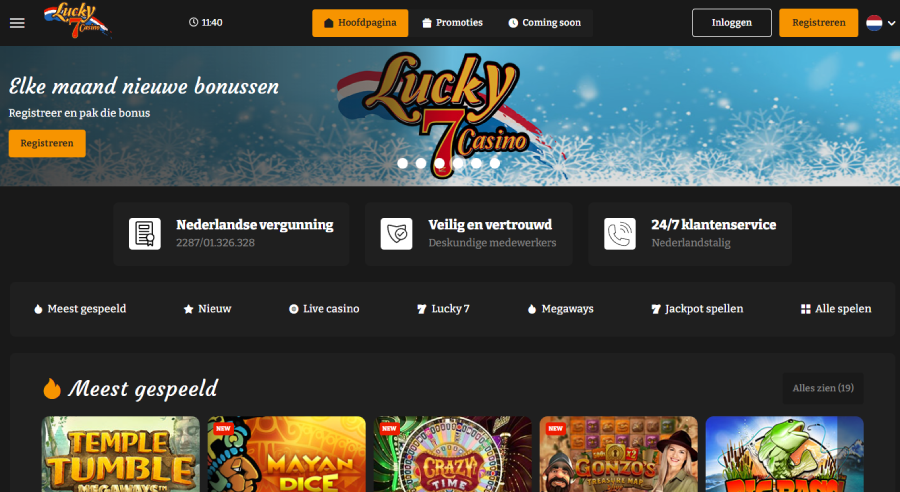
Which table game matches your decision style?
Roulette is often the easiest starting point for comparing table-game styles because the basic choices are clear. You can select a colour, an odd or even result, a range of numbers or an individual number. The number of available betting areas may make the layout look complicated, but each selection has its own stated payout and outcome frequency. Treat each bet type as a separate choice rather than assuming that a larger payout represents better value.
Blackjack is more decision-focused. The player normally chooses whether to hit, stand, double or split after receiving cards, while the dealer follows the table’s rules. The exact rule set matters: dealer actions, surrender options, doubling restrictions and payout terms can vary between versions. A short practice with the on-screen instructions can help you understand the sequence, but it does not demonstrate future results or guarantee a particular return.
Game-show tables and fast-paced titles take a different approach. They may include bonus rounds, multipliers, host-led decisions or a rapid sequence of outcomes. These features can be entertaining, yet they may make the underlying probabilities less obvious. If you prefer to make measured decisions, a conventional roulette or blackjack table may be easier to evaluate. If presentation and variety matter more, game-show formats may be the better fit, provided you read the complete rules first.
Use the lobby tools to narrow a large selection
A broad casino lobby is easier to navigate when you decide what to exclude. Begin with the game category, then filter by live casino, roulette, blackjack, game shows or other table-related labels. A provider filter can also be useful when you recognize a studio’s presentation style. The available library may change according to location, account conditions and the operator’s current catalogue, so a search result should not be treated as a permanent inventory.
Search tools are especially helpful when a lobby contains many software suppliers. Entering a provider or title name can reduce scrolling and make it easier to compare related versions. Badges such as “popular,” “new” or “jackpot” describe how the lobby groups a game, not whether it suits your preferences. Read those labels as navigation aids rather than evidence of quality, fairness or a better chance of winning.
Before opening a table with real funds, inspect its information panel. Look for the rules, payout schedule, eligible bets, limits and any bonus-round conditions. Some tables may accept promotional funds while others may be restricted to cash play or contribute differently to wagering requirements. If the lobby does not explain a condition clearly, check the game’s own rules or ask support rather than relying on assumptions based on a similar title.
Compare table versions before choosing one
Two games with the same name can still operate differently. Roulette may be presented with different wheel formats, while blackjack variants can change the number of decks, dealer rules, side bets and blackjack payouts. Live tables may also have different limits from digital versions. Comparing the rule panels is therefore more useful than choosing solely from a thumbnail or a familiar title.
Pay attention to side bets and optional features. A side bet may offer an attractive headline payout but use a separate outcome calculation from the main game. In blackjack, insurance and other extras can change the amount at risk without improving the core decision. In roulette, adding several bet types can increase the total stake on one spin even when each individual selection seems small.
Table limits should shape the comparison as much as presentation. A low minimum can help you keep individual stakes modest, whereas a higher minimum may make a short session more expensive. Limits can vary by table, time, currency and account location. The listed Canadian-facing service supports CAD, but the available currency and particular table selection should be confirmed in the account and game interface rather than assumed from a general lobby description.
Build a simple selection routine for shorter sessions
A practical routine can prevent the lobby from deciding for you. First, choose one format, such as digital blackjack or live roulette. Next, select a table whose minimum stake fits the amount you have already decided to risk. Then read the rules and identify any side bets or bonus mechanics you do not intend to use. This keeps the session focused and reduces accidental selections on a busy interface.
Set a time and spending boundary before opening the game, and treat both as limits rather than targets. A table’s fast pace can produce many rounds in a short period, while a live table may encourage you to stay because the presentation feels social. Deposit and loss-limit controls described in the account settings can provide an additional safeguard, but they do not replace a personal decision about when to stop.
Finally, record what you learned about the format rather than judging a table by one short result. A brief run cannot establish whether a game is favourable, and past outcomes do not make a future result more likely. If you are comparing several titles, note their rules, limits and pace separately. That creates a clearer basis for choosing a game type next time and keeps entertainment preferences distinct from expectations of profit.
Frequently asked questions about online table games
Are live-dealer games better than digital table games?
Neither format is automatically better. Live tables provide a host and a more social presentation, while digital tables usually offer faster rounds and simpler navigation. Compare the rules, limits, pace and interface you actually prefer. The format changes the experience, but it does not remove the underlying risk or guarantee better results.
What should I check before playing blackjack online?
Read the table’s rules for deck numbers, dealer actions, blackjack payouts, doubling, splitting and surrender. Check the minimum and maximum stakes as well as any side bets. These details can differ between versions. If a rule is unclear, avoid guessing and consult the game information or operator support before using real funds.
Can a short session show which table has the best odds?
No. A short session is too small to establish a game’s long-term return or predict future outcomes. Use it only to learn the interface, pace and rules. Compare the published game information instead, and avoid increasing stakes because of a losing sequence or continuing because a winning sequence seems likely to last.
